Modern Slavery

Zero Tolerance. Total Commitment.

Modern slavery is one of the most serious human rights abuses in the world today, affecting an estimated 50 million people globally.

It exists in every region and in almost every sector, including those connected to cleaning, maintenance, manufacturing, and supply logistics.

At Bayton, we believe there is no grey area: modern slavery in any form, forced labour, servitude, human trafficking, debt bondage, or child labour, has no place in our operations, our supply chain, or the industry we work in.

Our commitment goes well beyond minimum legal requirements. We proactively seek out and address risks, we partner only with those who share our ethical standards, and we work to strengthen systems and cultures that protect the rights and dignity of every worker, everywhere.


modern slavery

“Protecting people is not optional, it is the foundation of responsible business.”

— Renato Simone, Chief Operations Officer

How We Take Action Every Day

mod slav statement

 Annual Modern Slavery Statement

Lodged with the Australian Government, outlining actions taken and measurable progress each year.

Supp DD

Supplier Due Diligence

Rigorous ethical vetting before engagement, prioritising integrity, transparency, and human rights safeguards.

staff training

Comprehensive Staff Training

Equipping procurement, leadership, and operations teams to identify and address slavery risks. 

contract

Strict Contractual Standards

Requiring all suppliers to meet anti-slavery and ethical labour obligations.

audit risk review

Audits & Risk Reviews

Conducting regular supplier assessments with immediate remediation for non-compliance.

Supp eng

Collaborative Supplier Engagement

Partnering to improve ethical practices across every tier of the supply chain. 

Supply Chain Transparency & Risk Management

Bayton’s supply chain spans labour services, cleaning products, uniforms, equipment, technology platforms, and subcontracted services. This scale creates both opportunity and responsibility.

We are committed to mapping every tier of our supply chain to identify where risks may occur, with special attention to:

geography

High-Risk Geographies

We monitor suppliers in regions where worker protections may be weaker and labour exploitation risks are higher.

product

Vulnerable Product Categories

We review low-cost, high-volume goods that can hide unethical labour practices in their production.

labour hire

Labour-Hire & Subcontracting

We scrutinise third-party labour and subcontracting arrangements to ensure fair and transparent employment conditions.

We favour long-term supplier relationships that foster trust, enable continuous improvement, and embed shared accountability for ethical outcomes.
human rights

Aligned to Global Human Rights Standards

Bayton’s anti-slavery strategy is anchored in internationally recognised frameworks and industry best practice:

  • Australia’s Modern Slavery Act 2018
  • UN Guiding Principles on Business and Human Rights
  • International Labour Organisation (ILO) Fundamental Conventions
  • UN Sustainable Development Goal 8: Promote decent work and sustainable economic growth for all.
 

A Continuous, Measurable Journey

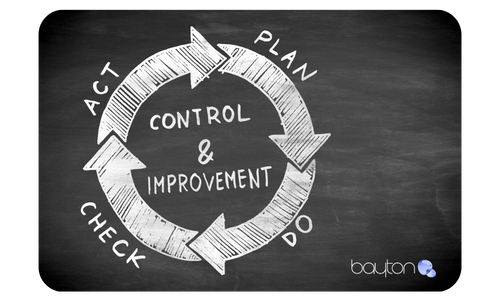
We recognise that eradicating modern slavery is not a one-time achievement, it’s an ongoing process requiring constant vigilance, better data, and stronger collaboration across industries and borders.

Our focus is on continuous improvement:

  • Enhancing our detection and reporting systems.

  • Deepening engagement with suppliers and industry peers.

  • Expanding training to empower more people to identify and respond to risks.

  • Using our influence to advocate for systemic change in the cleaning industry and beyond.

By taking an active leadership role, Bayton is working to ensure that every product, service, and partnership reflects our unwavering commitment to human dignity and ethical responsibility.
measurable journey
policies pic

Want to know more?

Head to our Policies page